What prompted this post? I get asked a lot: “How are you running a consultancy on your own?”
Short answer: I'm not.
𝐒𝐨 𝐰𝐡𝐚𝐭 𝐝𝐨 𝐈 𝐚𝐜𝐭𝐮𝐚𝐥𝐥𝐲 𝐝𝐨?
I ask questions. I filter for relevance and discard the rest. I lean on experience. And I stay comfortable with a point of view that doesn’t always match the consensus.
More importantly, I don’t work alone. I rely on a small network of people I trust. Designers, developers, marketers, PR/media pros, data experts, and AI practitioners. When needed, they step in where they’re strongest.
Then there’s the part that changed the way I work.
I use AI every day, like many people do now. My website was built with it. Without it, I’d need a much bigger team to get to the same place.
My posts remain original. I use AI as an editor, but it 𝐝𝐨𝐞𝐬𝐧’𝐭 𝐡𝐚𝐯𝐞 𝐭𝐡𝐞 𝐟𝐢𝐧𝐚𝐥 𝐬𝐚𝐲.
Years ago, I bought the domain troublemakers.ai as a bet on where I saw things heading. The freelance economy was already evolving and AI has since accelerated it.
I’ve moved past watching the AI infrastructure build-out and now focus on where AI is actually hitting the consumer experience.
𝐀𝐈 𝐰𝐢𝐥𝐥 𝐧𝐞𝐯𝐞𝐫 𝐫𝐞𝐩𝐥𝐚𝐜𝐞 𝐣𝐮𝐝𝐠𝐦𝐞𝐧𝐭. It makes it more obvious who never had it.
𝐓𝐡𝐞 𝐬𝐚𝐦𝐞 𝐡𝐨𝐥𝐝𝐬 𝐭𝐫𝐮𝐞 𝐟𝐨𝐫 𝐫𝐞𝐥𝐚𝐭𝐢𝐨𝐧𝐬𝐡𝐢𝐩𝐬. All of the AI in the world can't help if you can't get things done through people.
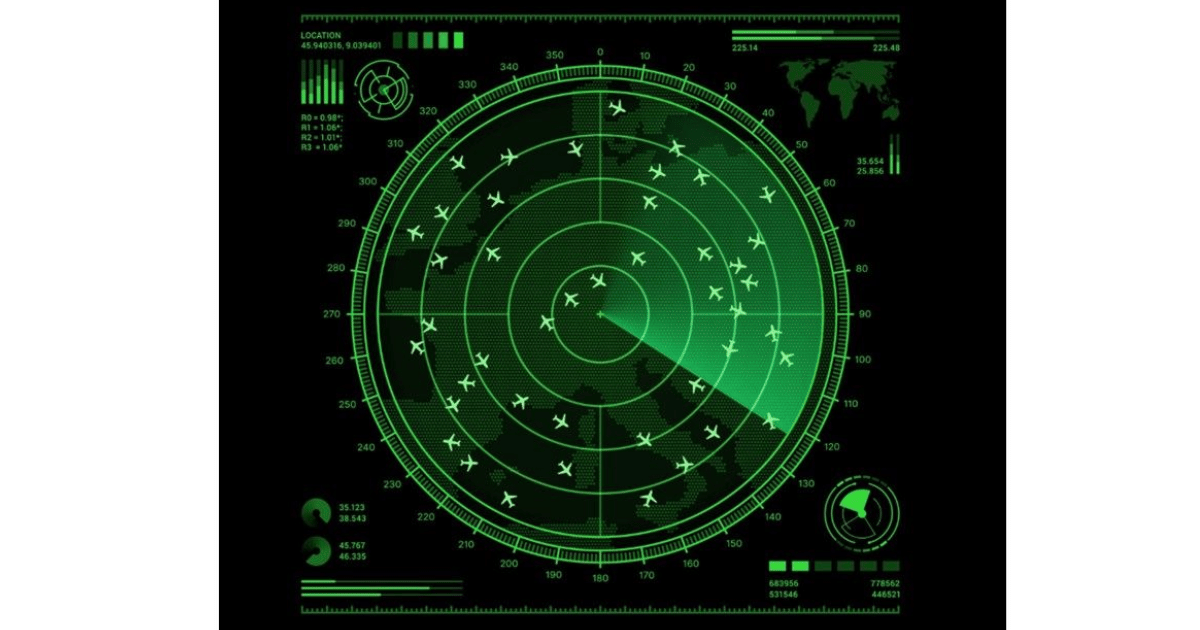
To me, it feels like we’re in the early innings of a shift toward something closer to “𝐀𝐢𝐫 𝐓𝐫𝐚𝐟𝐟𝐢𝐜 𝐂𝐨𝐧𝐭𝐫𝐨𝐥𝐥𝐞𝐫𝐬.”
𝐓𝐡𝐞 𝐦𝐨𝐝𝐞𝐥 𝐢𝐬 𝐬𝐢𝐦𝐩𝐥𝐞: You don’t need to know everything. You need to know who does, and how to bring them together.
𝐂𝐮𝐫𝐢𝐨𝐮𝐬 𝐡𝐨𝐰 𝐨𝐭𝐡𝐞𝐫𝐬 𝐚𝐫𝐞 𝐬𝐞𝐞𝐢𝐧𝐠 𝐭𝐡𝐢𝐬. 𝐀𝐫𝐞 𝐰𝐞 𝐦𝐨𝐯𝐢𝐧𝐠 𝐭𝐨𝐰𝐚𝐫𝐝 𝐬𝐦𝐚𝐥𝐥𝐞𝐫, 𝐦𝐨𝐫𝐞 𝐟𝐥𝐞𝐱𝐢𝐛𝐥𝐞 𝐭𝐞𝐚𝐦𝐬, 𝐨𝐫 𝐝𝐨 𝐥𝐚𝐫𝐠𝐞𝐫, 𝐭𝐫𝐚𝐝𝐢𝐭𝐢𝐨𝐧𝐚𝐥 𝐬𝐭𝐫𝐮𝐜𝐭𝐮𝐫𝐞𝐬 𝐬𝐭𝐢𝐥𝐥 𝐡𝐚𝐯𝐞 𝐭𝐡𝐞 𝐚𝐝𝐯𝐚𝐧𝐭𝐚𝐠𝐞?